

Introduction
Buying used scaffolding can reduce upfront equipment costs and can make sense for contractors who need additional inventory for a project or want to build a reusable stock of components. But used equipment needs a more deliberate buying process than new equipment.
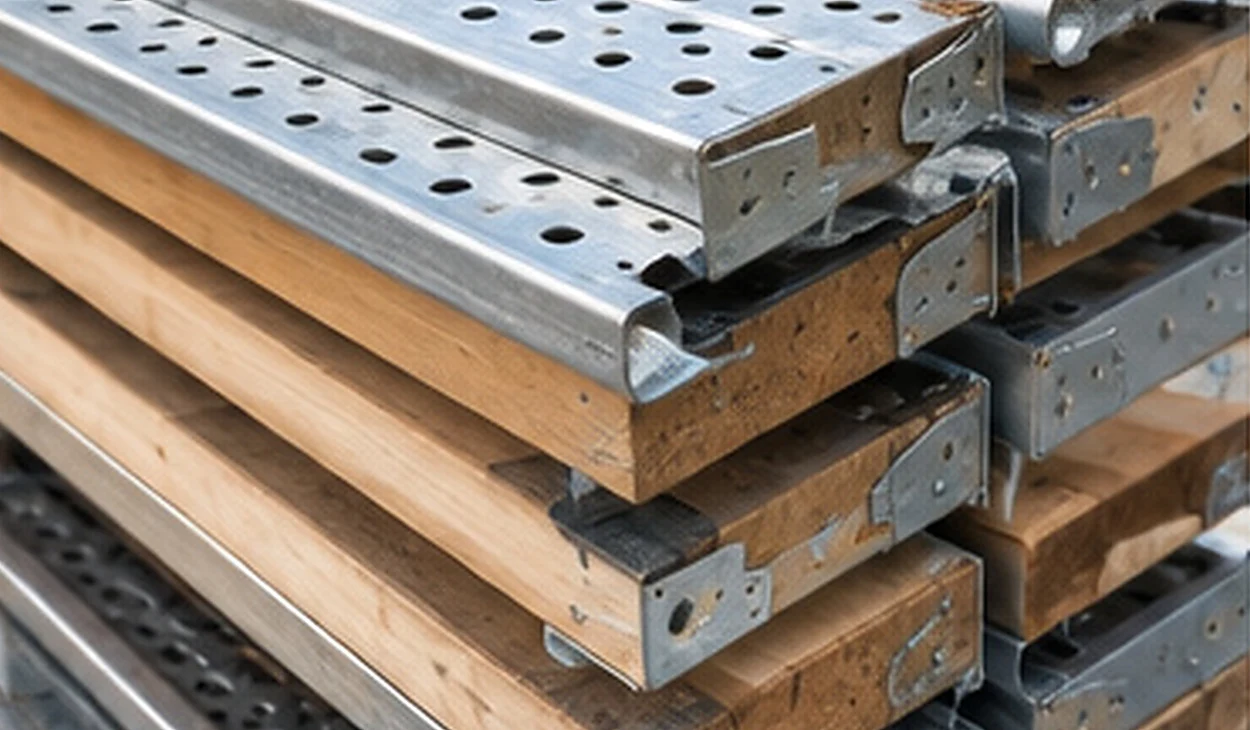
Turbo Scaffolding's sitemap includes a substantial used-scaffolding range covering tubes, braces, jacks, tie bars, ledgers, transoms, standards, boards, hop-ups, couplers and other components. This guide explains what to look for before purchasing.
1. Identify the exact component
Do not buy based on a generic description alone. Confirm whether the item is a standard, ledger, transom, brace, plank, coupler, jack, tie bar or another component. Different systems can use components that look similar but are not interchangeable.
2. Check compatibility
Compatibility is critical. Confirm that the used component belongs to the scaffold system you intend to use and matches the dimensions and connection type required. Mixing components without proper technical confirmation can create a serious problem.
3. Inspect for obvious damage
Look for bends, cracks, distortion, damaged ends, damaged connection points, severe corrosion and other visible defects. A used component that is structurally suspect should not be treated as equivalent to a sound component simply because it has the correct name.
4. Check corrosion and condition
Galvanised equipment can show signs of use while remaining serviceable, but significant corrosion, pitting or section loss can be a different matter. The condition should be assessed against the intended application and the relevant technical requirements.
5. Check quantities, not just individual prices
A scaffold project rarely needs one component. Before buying, calculate the number of standards, ledgers, transoms, braces, planks, access components and fittings required. A low unit price can be misleading if you later need to source missing components elsewhere.
6. Think about storage and transport
Used scaffold components are bulky and often require organised storage. Consider how equipment will be transported to site and stored between projects. Proper handling can also reduce damage and make future stocktaking easier.
7. Ask about the intended use
The same component can be used in different applications, but its suitability depends on the complete system and project design. If the application is safety-critical or outside a standard configuration, obtain appropriate competent advice before purchase.
8. Build a repeatable inspection process
Businesses that regularly buy used equipment should have a consistent process for checking incoming stock, quarantining suspect components, identifying system compatibility and recording quantities.
Where used scaffolding typically comes from
Most used scaffold stock on the market has come from scaffolding companies rotating out older inventory, demolition or decommissioning of large commercial jobs, or businesses closing down and liquidating equipment. None of that is a red flag by itself, reputable suppliers regularly refresh their stock but it does mean the history and maintenance record of a used batch can vary a lot more than with new equipment straight from the manufacturer. Buying from a supplier that inspects and grades used stock before resale, rather than an unverified private listing, generally gives more confidence in what you're actually getting.
Negotiating and documenting the purchase
Used scaffold pricing is often more negotiable than new, particularly for bulk quantities, but it pays to negotiate on the total package rather than just the headline unit price to ask whether delivery, a basic condition report, or replacement of any components that fail inspection can be included. Keep a written record of what was purchased, the condition it was in, and any assurances given about compatibility with your existing system. If a dispute comes up later about a component that turns out to be unsuitable, that paperwork is the difference between a quick resolution and a drawn-out argument.
Frequently asked questions
Does used scaffolding come with any warranty?
This varies by seller; some reputable suppliers offer a basic condition guarantee or replace faulty components, while private sales typically don't. Ask directly before purchasing.
How do I know if a used component still meets safety requirements?
Visual inspection for damage, corrosion and distortion is a starting point, but for safety-critical applications it's worth having a competent person assess the stock, particularly for larger bulk purchases.
Can I mix used and new components on the same job?
Yes, as long as everything is from a compatible system and each component passes inspection conditions and compatibility matter more than whether a piece is new or used.
Is there a formal certification process for used scaffold equipment in Australia?
There isn't a single universal certification scheme for used scaffold stock; it comes down to supplier inspection standards and buyer due diligence, so working with a reputable, established seller matters.
How long does a used scaffold tube typically last?
It depends heavily on how it was used and stored previously, and how it's maintained going forward. A well-maintained galvanised tube can remain serviceable for years, while poorly stored stock can deteriorate much faster.
Conclusion
Used scaffolding can be a practical procurement option when the equipment is correctly identified, compatible, appropriately inspected and suitable for the project. The key is to buy on total system suitabilitynot simply on the lowest price per component.


