

Introduction
Choosing an aluminium scaffold tower is not simply a matter of picking the tallest model available. The correct tower depends on the work height, platform height, working position, access requirements, available floor space and the specific limitations of the tower system.
Turbo Scaffolding's sitemap contains aluminium scaffold towers across a broad range of heights and both narrow and wide configurations. This makes it important to select the tower according to the job rather than choosing by height alone.
Working height vs platform height
One of the most common mistakes is confusing platform height with working height. Platform height describes the level of the working platform. Working height is the effective height a worker can reach while performing the task and depends on the person, the task and the working position.
When comparing tower products, use the manufacturer's stated dimensions and configuration information rather than estimating reach yourself.
Think about the job first
Start by identifying the area you need to work on: a ceiling, wall, roofline, façade, lighting point, ductwork or another elevated surface. Then determine the approximate working height needed. The tower should provide a stable working platform at an appropriate level without encouraging unsafe overreaching.
Narrow vs wide towers
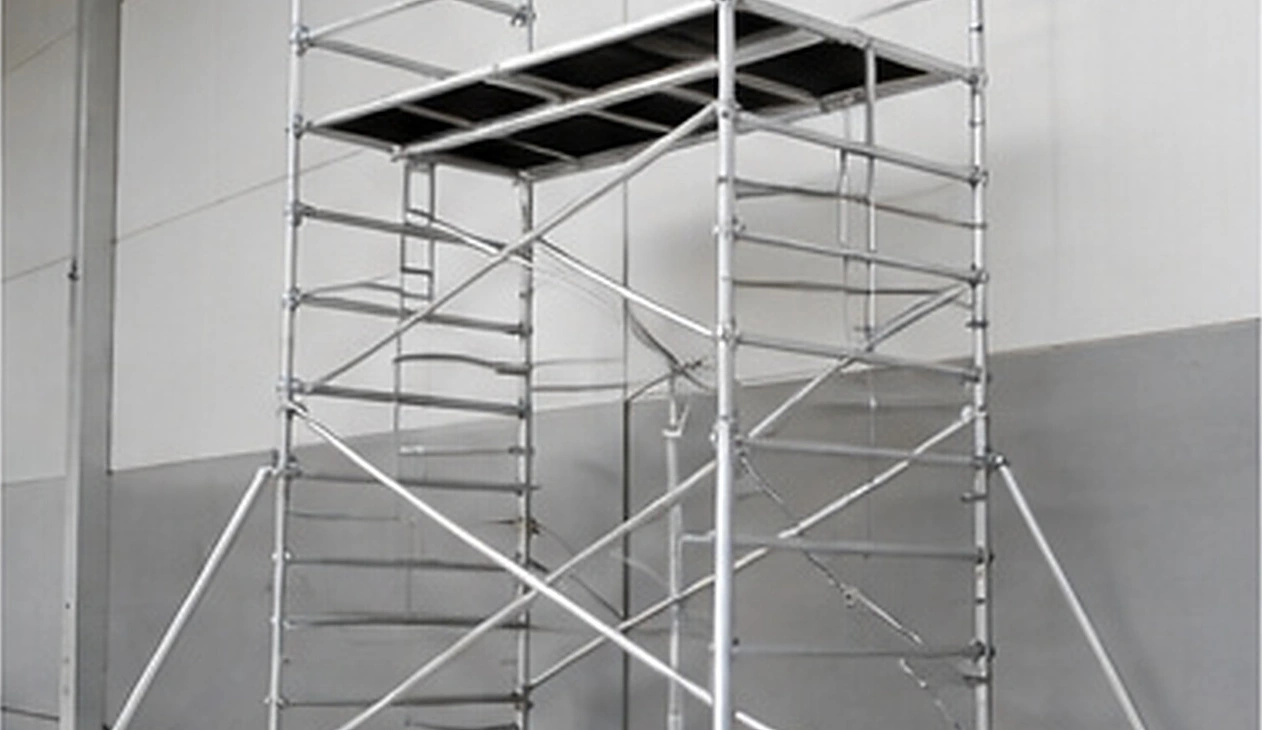
The sitemap includes both narrow and wide aluminium tower configurations. A narrow tower may be useful where access through a restricted area or a smaller footprint is important. A wider configuration can provide a different platform and base arrangement. The correct choice depends on the site and the tower's specified application.
Consider access and movement
A tower needs a practical way to access the working platform. Consider the route to the work area, doorways, corridors, floor conditions and whether the tower needs to be moved between tasks. Never move or modify a tower contrary to the manufacturer's instructions or the applicable requirements.
Match the tower to the application
Different jobs place different demands on access equipment. Painting, electrical work, maintenance, installation and construction tasks may all require different working positions. Choose a tower whose specified configuration, platform dimensions and capacity suit the actual task.
Before ordering
Confirm the required platform height, working height, width, access arrangement, platform dimensions, site restrictions and load requirements. Check the exact product specification for the model you are considering. If the application is outside the normal product use, obtain competent advice.
Indoor vs outdoor use
Aluminium towers are popular for indoor maintenance and fit-out work because they're light enough to move between rooms without a trolley or forklift, and narrow configurations can usually fit through a standard doorway. Outdoors, wind becomes the main consideration. Towers have a maximum safe working height that generally drops once they're exposed to weather, and stabilisers or outriggers are often required above a certain height even indoors. Always check the specific product's rated height for the environment you're working in rather than assuming the tallest configuration in the catalogue is usable everywhere.
Weight, loading and platform capacity
It's easy to focus purely on height and forget that every tower has a maximum platform load, which covers the combined weight of workers, tools and materials. Overloading a platform doesn't just risk a collapse it can also make the whole tower less stable well before it reaches breaking point. If your job involves carrying heavier materials, like full paint tins, tiles or sheet goods, factor that into which tower and platform configuration you choose, not just the height you need to reach.
Frequently asked questions
What's the maximum height I can safely use a mobile tower at without extra stabilisers?
This depends on the specific product and manufacturer's rating — check the tower's technical specification rather than assuming, since ratings differ between narrow and wide configurations and between indoor and outdoor use.
Can aluminium scaffold towers be used outdoors?
Yes, many are designed for outdoor use, but outdoor height ratings are usually lower than indoor ratings because of wind exposure, and outriggers or ties may be required above a certain height.
How many people can be on a tower platform at the same time?
This is set by the platform's load rating, which covers workers, tools and materials combined to check the specific product's rated capacity rather than assuming based on platform size alone.
Do I need formal training to use a mobile scaffold tower?
Many jurisdictions don't require a scaffolding licence for basic mobile towers under a certain height, but some form of competency training is still recommended, and larger or higher configurations may fall under licensing requirements check your state's current WHS rules.
How do I decide between a narrow and a wide tower?
Narrow towers suit tight spaces and doorway access, while wide towers offer a larger, more stable platform for jobs that need more room to move or store materials. The right choice comes down to your site access and the nature of the task.
Conclusion
The right aluminium scaffold tower is the one that gives you the required working position while remaining appropriate for the site and the manufacturer's operating requirements. With Turbo Scaffolding offering multiple tower sizes and configurations, the best approach is to start with the job requirements and work backwards to the correct model.


