

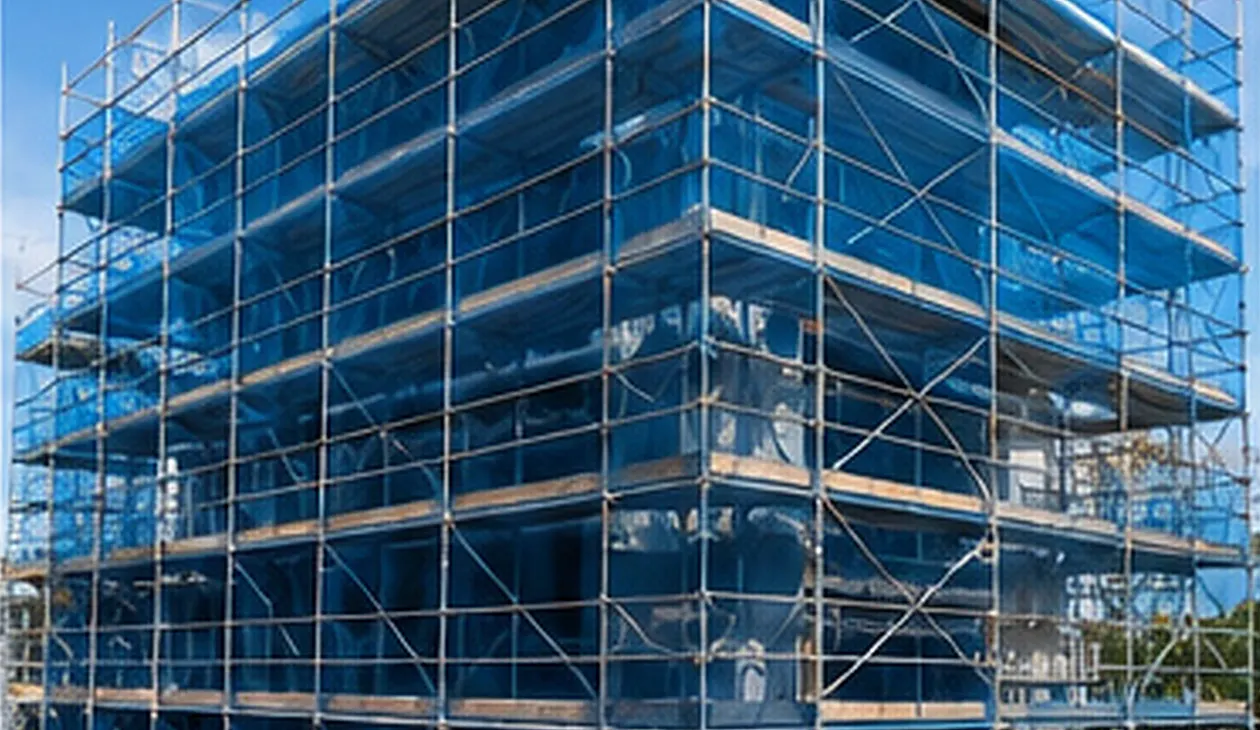
Important safety note
Scaffolding is safety-critical equipment. This article is a general checklist, not a substitute for competent inspection, a project-specific scaffold design, manufacturer instructions, workplace procedures or applicable Australian legislation and standards. Requirements can vary by application and jurisdiction. Before use, the scaffold should be assessed by an appropriately competent person.
Why pre-use checks matter
A scaffold can change after installation. Components may be moved, damaged, removed, overloaded or affected by weather and site activity. A pre-use check helps identify obvious issues before workers rely on the structure.
1. Check the overall scaffold condition
Look for damaged, bent, cracked, excessively corroded or otherwise suspect components. Pay particular attention to connection points and structural members. Components that appear compromised should be isolated and assessed rather than put into service.
2. Check the base and supporting surface
Confirm that the scaffold is supported on a suitable base and that the supporting surface is appropriate for the intended arrangement. Sole boards, base components and levelling arrangements should be used where required by the design and system instructions.
3. Check standards, ledgers and transoms
The primary structural members should be correctly positioned and connected. Confirm that the intended configuration has not been altered and that required members have not been removed.
4. Check bracing and ties
Bracing and ties can be critical to the stability of a scaffold. Verify that required elements are present, correctly connected and consistent with the approved design or system requirements. Do not remove ties or braces simply because they appear inconvenient for the work.
5. Check platforms and planks
Working platforms should be complete, secure and suitable for the intended use. Check planks, boards and platform components for damage, movement and inappropriate gaps. Do not exceed the permitted loading for the platform or system.
6. Check access
Access arrangements should be suitable for the scaffold and the work being performed. Ladders, access transoms, stairs and other access components should be installed and used as intended.
7. Check edge protection
Where edge protection is required, make sure the relevant guardrails, midrails, toe boards and other protective components are present and secure. Do not assume that a platform is safe simply because the deck itself is complete.
8. Check the surrounding work area
Look for overhead hazards, vehicle movements, falling-object risks, electrical hazards, excavation or ground conditions and other site-specific risks. Scaffold protection such as mesh may be relevant to some projects, but the correct solution depends on the site assessment.
9. Check after changes or unusual events
A scaffold should be reassessed after significant modification, impact, severe weather or other event that could affect its condition. Site teams should have a clear process for reporting and isolating concerns.
10. Keep inspection and control procedures clear
Inspection requirements, tagging systems, exclusion zones and site procedures should be established by the responsible competent people for the project. Workers should know who is authorised to inspect, modify and release the scaffold for use.
Who's responsible for scaffold safety on site
In Australia, scaffolding above a certain height generally needs to be erected, altered or dismantled by a person holding the relevant scaffolding licence, and the specific licence class depends on the height and complexity of the structure. Even where a licensed scaffolder isn't legally required for a smaller job, someone still needs to take responsibility for day-to-day checks; this is usually referred to as a competent person, meaning someone with the training and experience to recognise when a scaffold isn't fit for use. It's worth clarifying who that person is before work starts, rather than assuming it's whoever happens to be on site that day.
Reading a scaffold tag
Most Australian sites use a colour-coded tagging system to show scaffold status at a glance commonly green for scaffold complete and safe to use, yellow for scaffold with restrictions (for example, not fully boarded or missing some guardrails), and red for scaffold that must not be used at all. If a scaffold isn't tagged, or the tag has been removed or is illegible, treat it the same as a red tag until someone qualified has checked it. Toolbox talks at the start of a shift are a simple, low-cost way to keep the whole crew aware of tag status and any changes made overnight.
Frequently asked questions
Who is legally allowed to inspect a scaffold in Australia?
Requirements vary by state and by the height and complexity of the scaffold. Higher-risk scaffolds generally need inspection by a licensed scaffolder or otherwise competent person to check the current WHS regulations in your state for the specific threshold that applies to your job.
How often should a scaffold be inspected once it's up?
At minimum, before first use, after any modification, after severe weather, and at regular intervals during the project many sites also do a quick visual check at the start of every shift as standard practice.
What does a yellow scaffold tag mean?
It generally indicates the scaffold has some restriction on its use for example, it might not be fully boarded or may be missing some guardrails so it should only be used according to whatever limitation is noted on the tag.
Can I use a scaffold if it has no tag at all?
No. An untagged scaffold should be treated as unsafe to use until it has been checked and tagged by a competent person.
What should I do if I notice a fault on a scaffold during use?
Stop using it, report the issue to your site supervisor or the scaffold owner immediately, and isolate the area until it's been inspected and cleared.
Conclusion
A safety checklist is useful because it turns a broad safety responsibility into a repeatable process. However, the checklist must sit inside a proper scaffold design, installation, inspection and workplace safety system. When in doubt, stop using the scaffold and obtain competent technical advice.


