

Introduction
Scaffolding cost in Australia can vary substantially from one project to another. A small renovation, a multi-level construction site and a commercial maintenance project can have very different equipment, access, labour, transport and duration requirements.
Rather than relying on a single 'price per metre' figure, it is more useful to understand the variables that make up the total cost. This guide explains what buyers should consider when budgeting for scaffolding and when requesting a quote.
The main factors that affect scaffolding cost
The first factor is the amount and type of equipment required. Scaffold height, length, width, number of working decks and access requirements all influence the quantity of components needed.
The second factor is the system. Different scaffold systems and configurations require different components, and aluminium towers can have a very different cost profile from a larger modular scaffold installation.
Other variables include whether equipment is new or used, how long it is required, transport distance, site access, installation or dismantling requirements, project complexity and any additional accessories or protection systems.
New vs used scaffolding
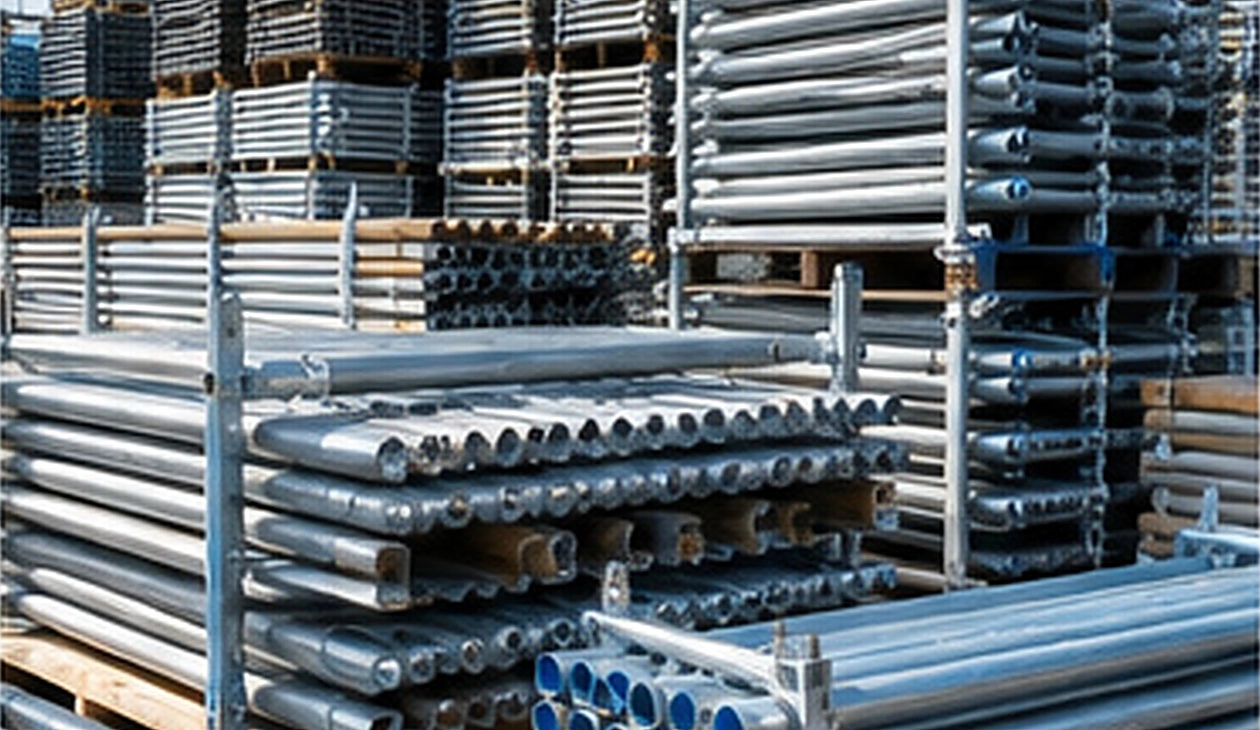
Used scaffolding can be an attractive option where suitable equipment is available and the buyer understands exactly what is being purchased. Turbo Scaffolding has a dedicated used-scaffolding area containing used tubes, braces, ledgers, transoms, standards, boards, couplers, hop-ups and other components.
The important point is that used equipment should be assessed for condition, compatibility and suitability for the intended application. The cheapest individual component is not necessarily the lowest-cost solution if it creates compatibility problems or leaves the project short of essential parts.
Scaffolding purchase vs project hire or service costs
A purchase price represents only one part of the overall project economics. Where scaffolding is purchased, the buyer also needs to consider transport, storage, handling, inspection, maintenance and future utilisation. Where a project involves a supplied scaffold service, labour and installation-related costs may be significant.
For this reason, a useful budget should separate equipment, logistics and labour rather than comparing headline prices alone.
How to get a more accurate quote
The more project information you provide, the easier it is to develop a meaningful quotation. Include the approximate length, width and height of the required scaffold, number of decks, intended use, access requirements, location, project duration and whether you are looking for new or used equipment.
Turbo Scaffolding provides a quote pathway on the site, so buyers can move from an initial project requirement to a more specific commercial discussion.
Questions to ask about a scaffolding quote
Ask what equipment is included, whether accessories are included, whether delivery is included, whether installation or dismantling is included where relevant, what assumptions have been made about the site and whether the quoted configuration is subject to technical review.
What a typical job actually costs
Costs vary so much between suppliers and regions that a single figure isn't much use, but it helps to think in terms of project scale. A small residential job, say, scaffolding along one elevation of a single-storey house for a re-roof or repaint is usually the cheapest and fastest to price, because it needs fewer components and a shorter hire period. A two-storey renovation with wraparound access, or a job that needs a loading bay platform, sits in the middle. Commercial and multi-level builds are the most expensive because they involve more decks, more ties, longer hire durations and often staged handovers as different trades move through the site.
Hire periods matter more than people expect. A job quoted for two weeks that runs to six because of weather delays or trade scheduling issues can change the overall economics significantly, so it's worth asking upfront how the supplier handles extensions and whether the rate steps down for longer hires.
Hidden costs to budget for
Beyond the headline scaffold price, budget for delivery and pickup especially for regional or hard-to-access sites council permits if the scaffold will encroach on a footpath or road, and any requirement for a hoarding or pedestrian protection structure. If you're managing the job yourself rather than through a licensed scaffolder, factor in the time it takes your own crew to erect and dismantle compared with paying for an install and dismantle service as part of the package.
Frequently asked questions
How much does scaffold hire cost per week?
It varies widely by region, height, length and configuration, so there's no reliable flat figure a small single-storey job and a multi-level commercial hire can differ by a large margin. Request a project-specific quote for an accurate number.
Is used scaffolding always the cheaper option?
Usually cheaper upfront, but not always cheaper overall factor in inspection, any replacement components, and whether the used stock is compatible with what you already own before assuming it's the better deal.
Do I need council approval for scaffolding, and does that add to the cost?
If the scaffold will sit on a public footpath, road or nature strip, most councils require a permit, which usually comes with a fee and sometimes a processing wait time. Check with your local council early in the planning stage.
What's usually included in a scaffold quote?
This varies by supplier, so always ask directly some quotes include delivery, install and dismantle, while others price the equipment hire only and treat labour and transport as separate line items.
How long is a typical scaffold hire period for a renovation?
It depends entirely on the project, but it's common to budget extra time beyond the planned work schedule to allow for weather delays or changes in trade sequencing.
Conclusion
There is no single Australian scaffolding price that accurately represents every project. The most useful approach is to identify the system, dimensions, access requirements, duration, condition of equipment and logistics before comparing quotes. A project-specific quote will normally give a much better budgeting figure than a generic online estimate.


