

Introduction
Choosing a scaffolding system is not simply a matter of selecting the cheapest components available. The right system depends on the type of work, the configuration required, access requirements, project duration, site conditions and the equipment already available to the contractor. Two systems that often enter the conversation are Kwikstage and Ringlock.
Turbo Scaffolding's sitemap includes a dedicated range of Kwikstage products and accessories as well as Ringlock-related equipment, giving contractors access to established scaffold components for different project requirements. This guide explains the practical differences between the systems and the factors that should drive the decision.
What is Kwikstage scaffolding?
Kwikstage is a modular scaffolding system built around standardised components that connect to create working platforms and access structures. The system is widely associated with construction, maintenance, renovation and general building work where a repeatable modular arrangement is useful.
A typical Kwikstage arrangement uses standards, ledgers, transoms, braces, planks and associated fittings. Turbo Scaffolding's existing product range includes these component types, along with complete Kwikstage packages in multiple dimensions and deck configurations.
What is Ringlock scaffolding?
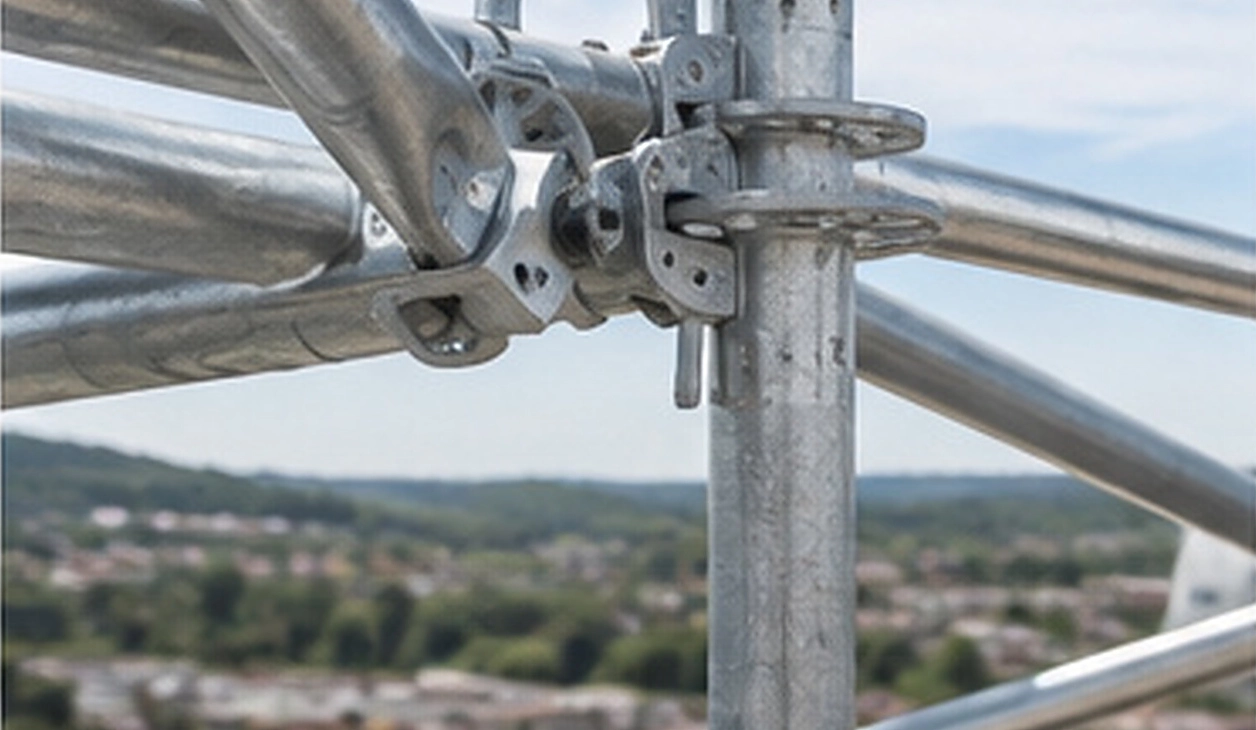
Ringlock is another modular scaffolding approach. Its connection method allows horizontal and diagonal members to be joined to vertical standards at defined connection points, creating a flexible three-dimensional scaffold structure.
The attraction of a modular system is that the scaffold can be configured around the geometry of the building or work area rather than relying on a single fixed arrangement. The exact suitability of a Ringlock configuration depends on the components, design and intended application.
Kwikstage vs Ringlock: the key differences
The biggest difference for a buyer is the connection and component ecosystem. Kwikstage uses its established set of standards, ledgers, transoms and braces, while Ringlock uses its own compatible standards and modular connections.
That means the systems should not be treated as interchangeable collections of steel parts. Compatibility matters. Components should be selected and assembled according to the system they are designed for and the applicable technical requirements.
Which system should you choose?
Start with the project rather than the product. Ask what height and footprint are required, how many working levels are needed, what access arrangements are required, whether the scaffold must fit around complex geometry, what equipment your crew already owns and whether additional components will be needed during the project.
If your business already has a significant Kwikstage inventory, staying within that system can simplify procurement, training and component management. If the project calls for a different modular configuration, a Ringlock solution may be worth considering where the appropriate components and technical design are available.
Consider the complete system, not one component
A scaffold system is only as useful as the components that complete it. Standards, ledgers, transoms, braces, planks, access equipment, ties and other accessories all have to work together. Turbo Scaffolding's sitemap contains dedicated pages for many of these component groups, so a project should be assessed as a complete system rather than as a collection of individual items.
Questions to ask before ordering
Before purchasing or specifying a system, confirm the required working height and platform levels, approximate scaffold dimensions, access method, expected loading, site constraints, existing inventory, required accessories and delivery requirements. For project-specific applications, obtain the appropriate competent design or engineering advice rather than relying on a generic configuration.
Kwikstage and Ringlock in practice
On a real site, the decision often comes down to what's already sitting in the yard rather than a side-by-side technical comparison. A builder who has spent the last three years running Kwikstage jobs isn't going to switch systems for a single renovation just because Ringlock might suit the roofline slightly better the cost of retraining the crew and buying a second inventory rarely stacks up against sticking with what already works. Ringlock tends to get picked for jobs with awkward angles, raked roofs or stepped facades, where the ring-and-wedge connection gives more freedom to set braces at non-standard angles than a fixed rectangular grid allows.
Labour is the other practical factor that doesn't always make it onto a spec sheet. Kwikstage crews can usually erect and strike a standard elevation faster once they know the sequence, simply because the wedge connections are quick to lock off. Ringlock can take a little longer to learn on the tools, though experienced crews close that gap fast. If you're hiring labour rather than using your own team, it's worth asking the contractor which system their riggers are most confident with. A crew working outside their comfort zone is more likely to make mistakes, and those mistakes tend to show up as delays rather than obvious defects.
Common mistakes to avoid
The most common error we see is treating the two systems as if their components are interchangeable because they look similar in a catalogue photo. A Kwikstage ledger and a Ringlock ledger might be roughly the same length, but the connection ends are built differently, and forcing a fit or improvising a connection undermines the whole structure. The second common mistake is ordering a system based purely on the cheapest price per metre without checking what accessories are actually needed to finish the job; guardrails, toe boards, ties and access components can add up quickly and change the total cost comparison substantially once they're all accounted for.
Frequently asked questions
Can Kwikstage and Ringlock components be mixed on the same scaffold?
No. The two systems use different connection methods, so components aren't designed to be combined. If a job needs both, they should be built and tied as separate structures rather than joined together.
Is Ringlock more expensive than Kwikstage?
Not necessarily pricing depends more on the specific components and package size than on the system itself. The bigger cost difference usually comes from whether you already own one system and would need to invest in the other from scratch.
Which system is easier for a crew to learn?
Most Australian scaffolders find Kwikstage quicker to pick up because the wedge connection is straightforward, while Ringlock has a slightly longer learning curve but offers more flexibility once a crew is confident with it.
Do I need an engineer to sign off a Kwikstage or Ringlock design?
It depends on the height, configuration and application. Straightforward, standard configurations often don't need individual engineering sign-off, but complex, non-standard or safety-critical designs generally do check with a competent scaffolder or engineer for your specific job.
Which system is more widely available in Australia?
Kwikstage is generally the more common system on Australian residential and light commercial sites, which is why hire and purchase stock tends to be more readily available for it.
Conclusion
There is no universal winner between Kwikstage and Ringlock. The better choice is the system that matches the project, the available components, the contractor's experience and the technical requirements of the job. Turbo Scaffolding's Kwikstage range and broader scaffold product catalogue provide a useful starting point for assessing the components needed for your application.


