




When it comes to scaffolding, there are several misconceptions that can lead to confusion, safety issues, or poor decision-making, especially among people unfamiliar with the industry. Whether you’re a homeowner looking to complete a DIY project, a contractor managing a large-scale construction site, or a business owner in need of temporary access solutions, understanding the truth behind these myths is critical.
In this post, we’ll address some of the most common misconceptions about scaffolding and clarify why it’s essential to choose the right type of scaffold for your project. From aluminium scaffolding to mobile scaffold towers, let’s debunk some of the myths surrounding scaffolding equipment.
Misconception 1: Scaffolding is Only for Large Construction Sites
One of the most widespread myths is that scaffolding is only used on big construction projects. In reality, scaffolding comes in many forms and can be used for a variety of projects, both large and small.
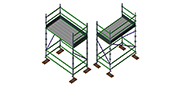
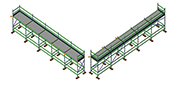
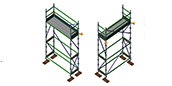
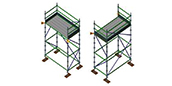
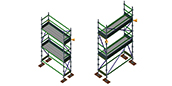
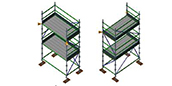
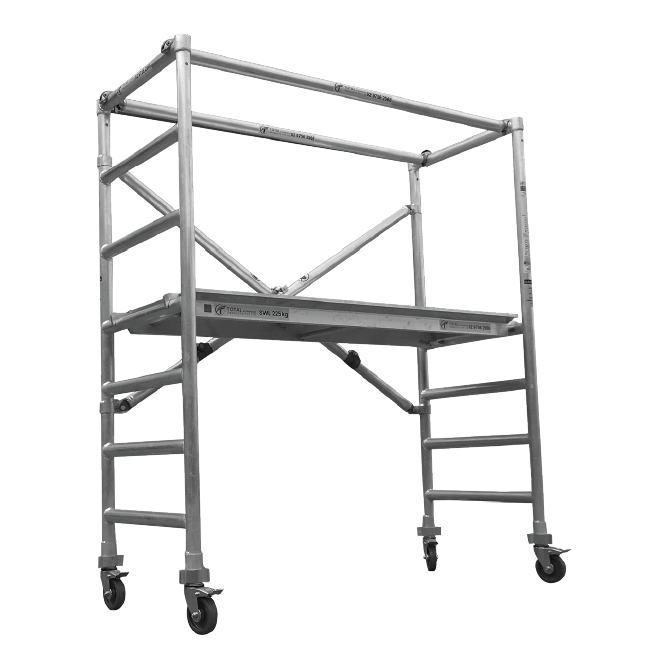
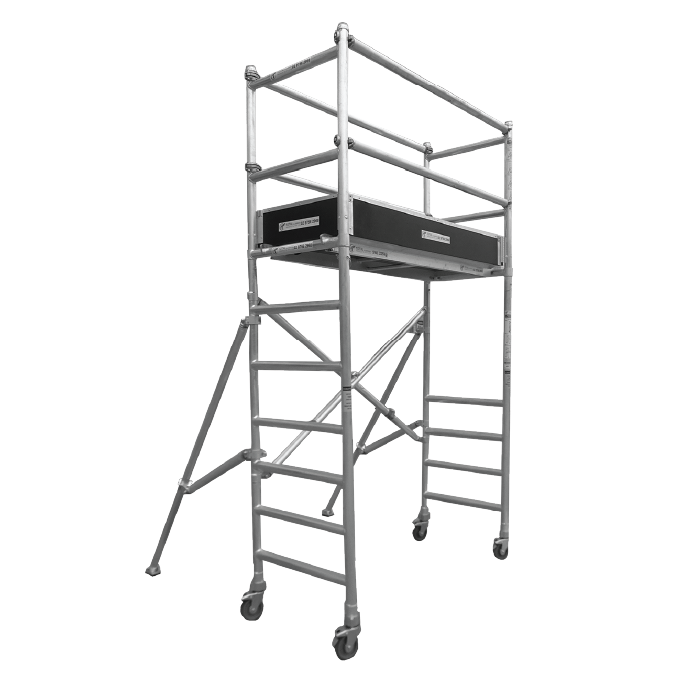
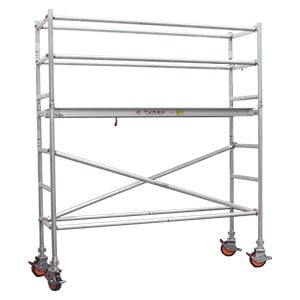
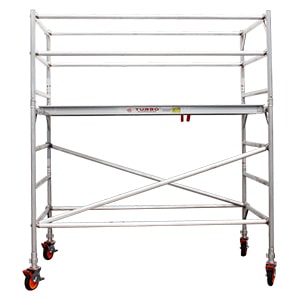
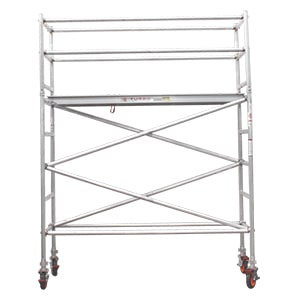
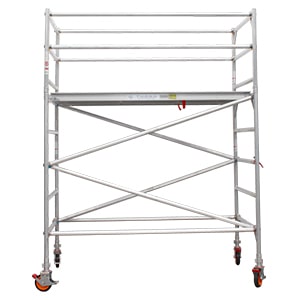
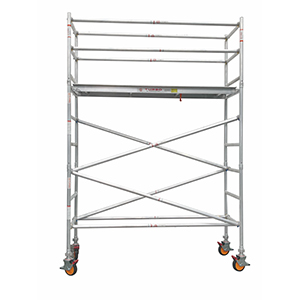
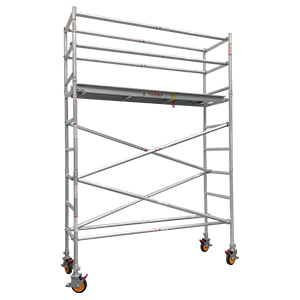
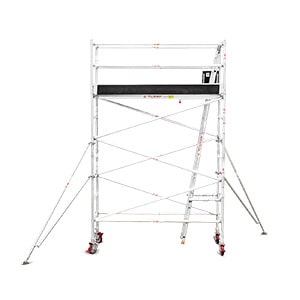
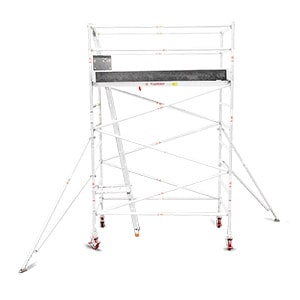
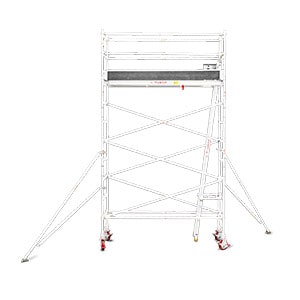
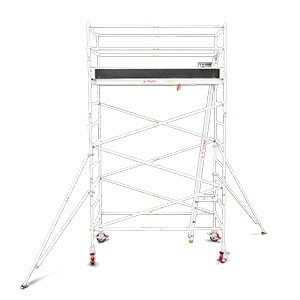
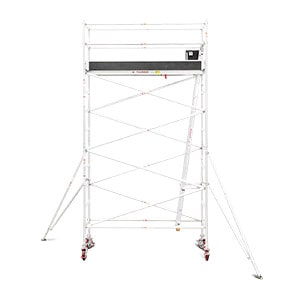
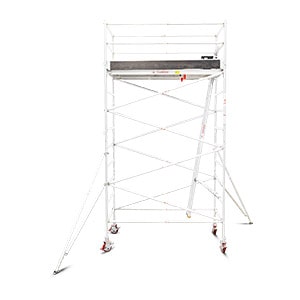
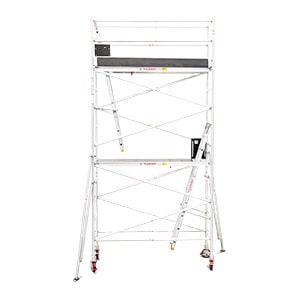
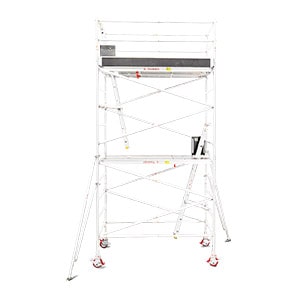
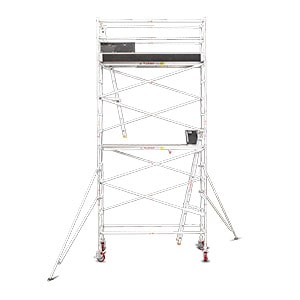
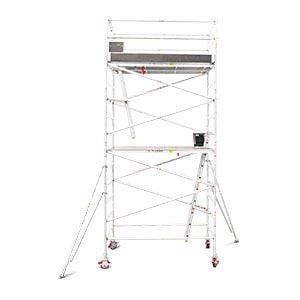
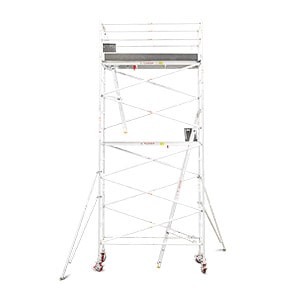
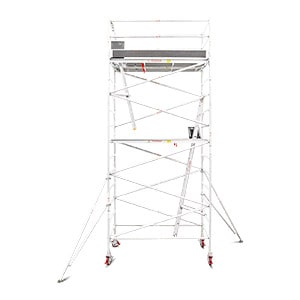
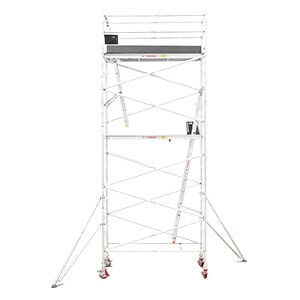
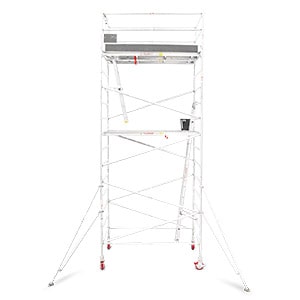
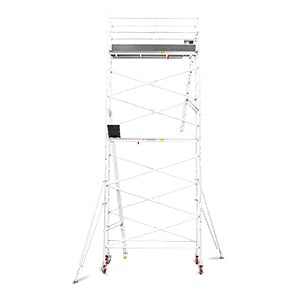
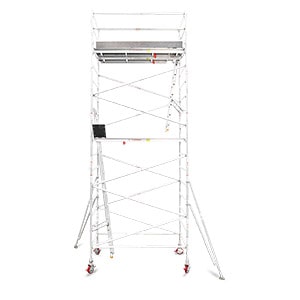
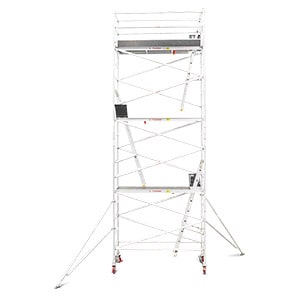
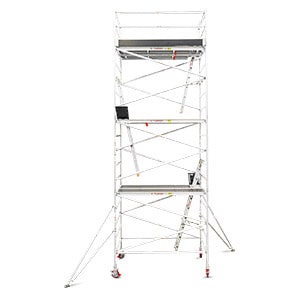
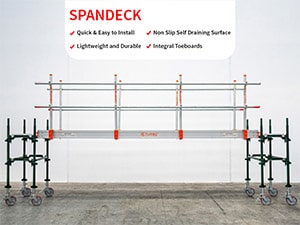
For example, aluminium mobile scaffolding is incredibly versatile and often used for smaller residential or maintenance projects. Whether you need to paint a two-storey house or replace a roof, a mobile scaffold tower can give you the height and stability you need without the need for permanent scaffolding installation.
Additionally, mobile scaffolds for sale come in various sizes, including 3m narrow scaffold towers or larger 6m wide scaffold towers, allowing you to choose the right fit for your specific needs.
Misconception 2: Scaffolding is Dangerous and Unstable
Many people mistakenly believe that scaffolding is inherently unstable or dangerous. While scaffolding accidents do happen, they are often a result of improper setup, lack of safety measures, or the use of subpar equipment.
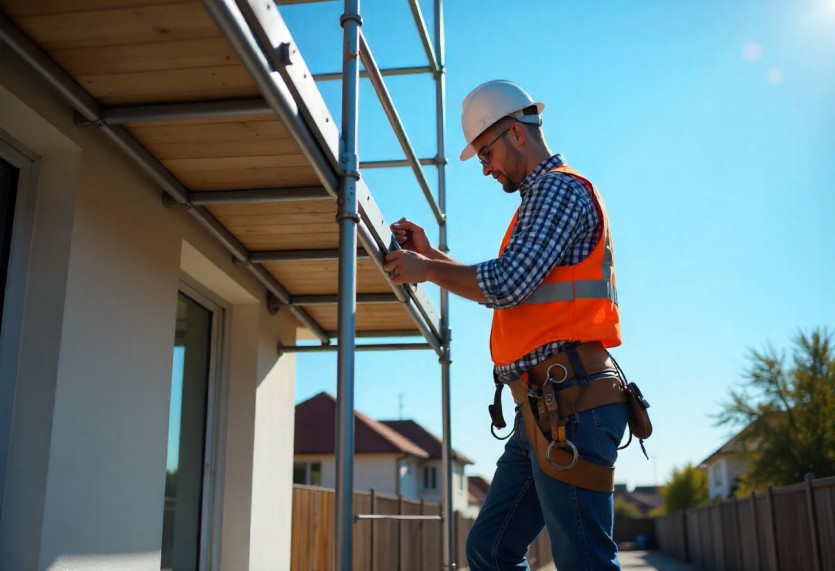
The truth is that scaffolding is an extremely safe and reliable system when used properly. Modern scaffolding, including kwikstage scaffolding and aluminium scaffolding, is built to strict safety standards to ensure the safety of workers and users. In fact, when properly erected, scaffold towers and platforms offer a far more stable working environment than ladders or other makeshift solutions.
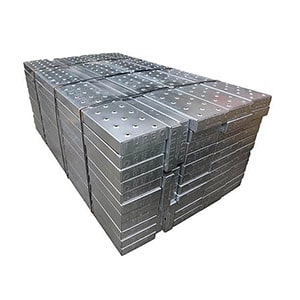
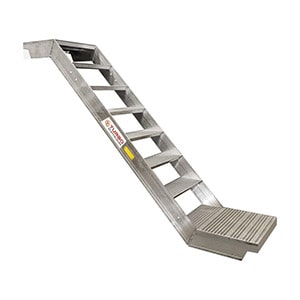
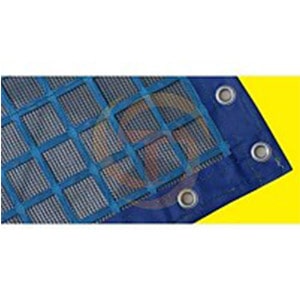
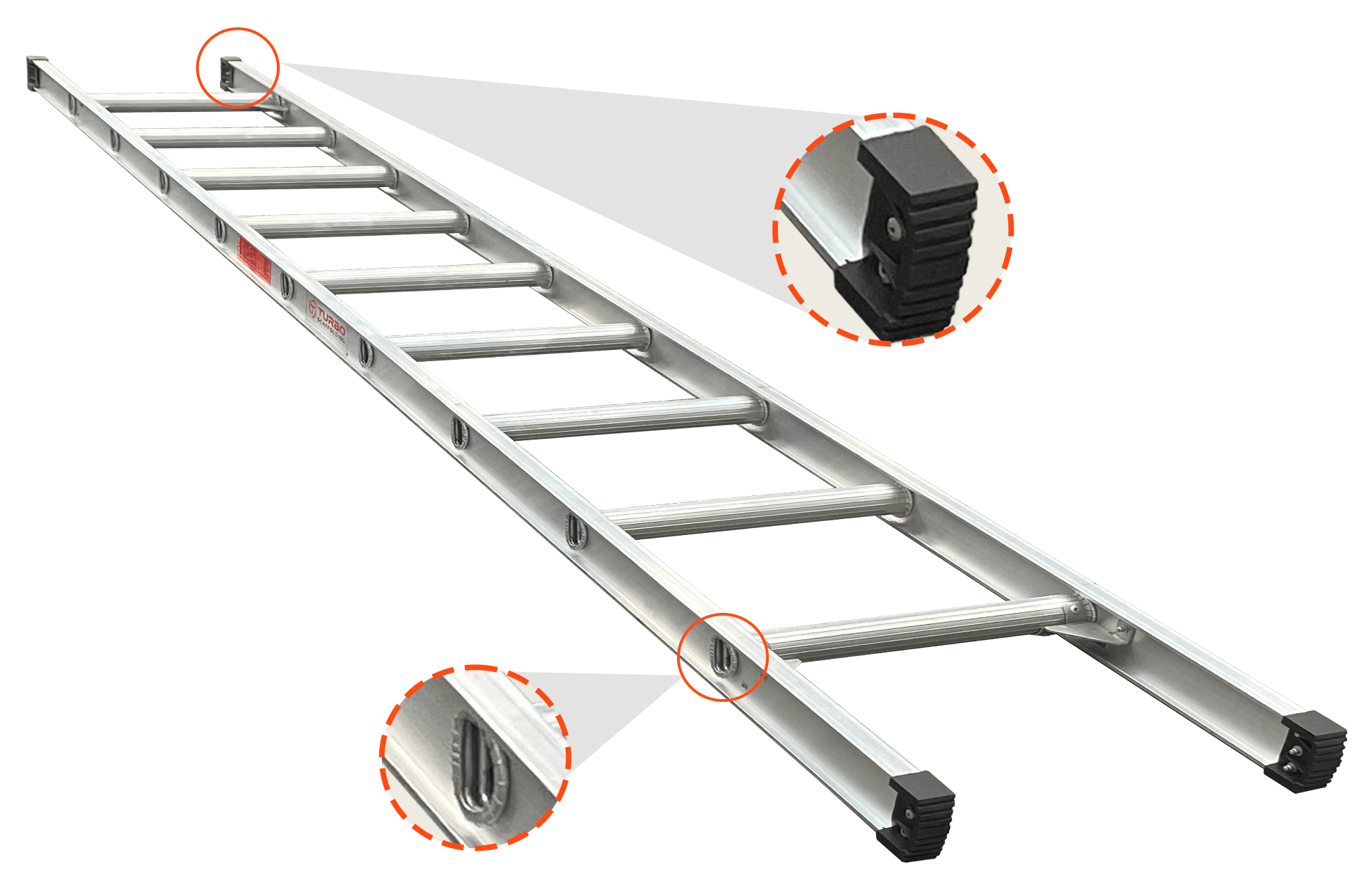
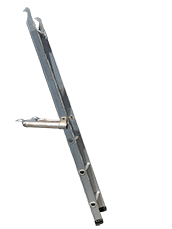
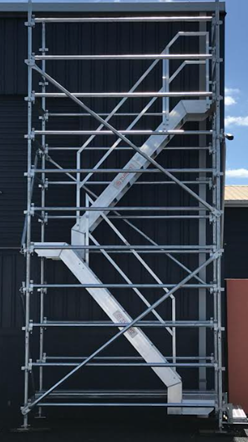
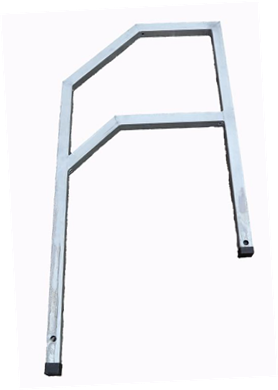
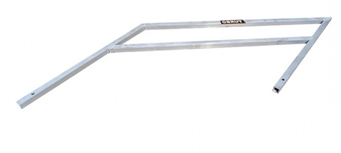
Moreover, scaffold accessories like scaffold mesh and scaffold stairs are designed to enhance safety by providing fall protection and easy access to high work areas.
Misconception 3: Scaffolding is Too Expensive for Short-Term Use
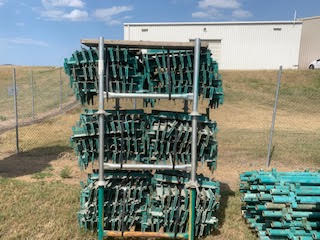
Many people think scaffolding is too costly, especially for short-term projects. However, when you consider the safety and efficiency it provides, the cost of scaffolding can be quite reasonable. Used scaffolding for sale is also an option if you’re working within a budget.
For example, used mobile aluminium scaffolding or second-hand kwikstage scaffold for sale can help reduce costs while still providing the necessary stability and strength. Even for smaller, short-term projects like maintenance or home renovations, scaffold supplies offer flexibility without breaking the bank.
Misconception 4: All Scaffolding is the Same
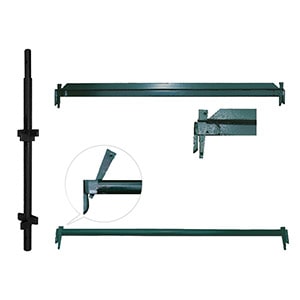
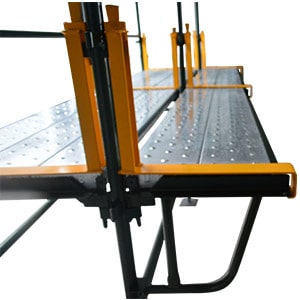
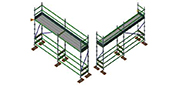
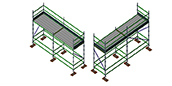
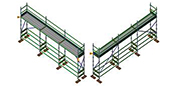
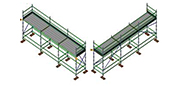
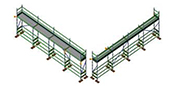
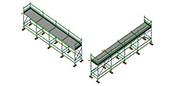
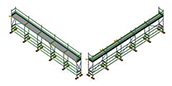
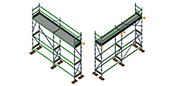
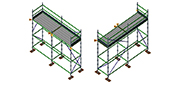
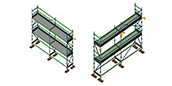
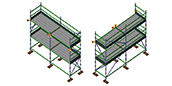
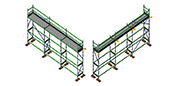
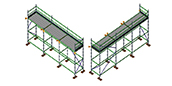
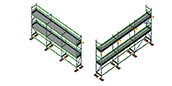
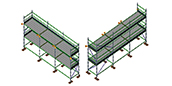
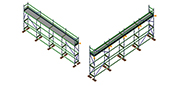
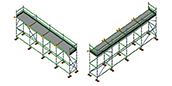
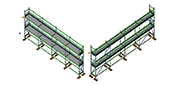
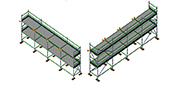
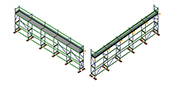
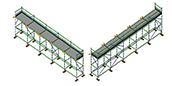
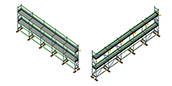
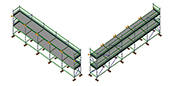
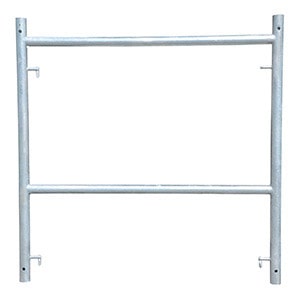
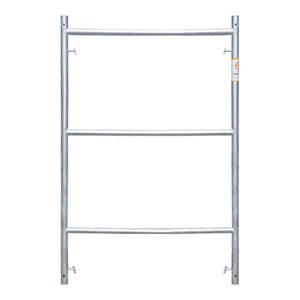
Not all scaffolding systems are created equal. There are several different types of scaffolding, each designed for specific tasks. The kwikstage scaffolding system, for instance, is known for its versatility and ease of assembly, making it ideal for commercial and industrial projects. On the other hand, aluminium mobile scaffolding is lightweight, portable, and perfect for jobs that require quick setup and takedown.
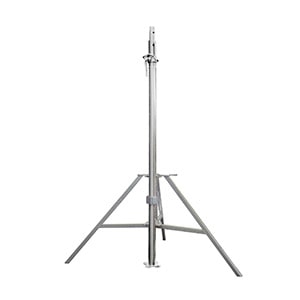
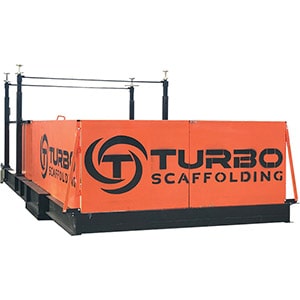
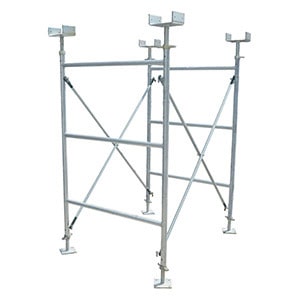
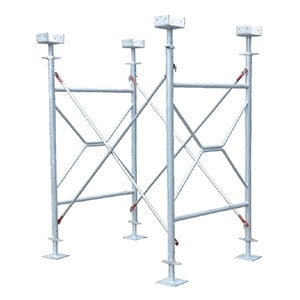
Formwork scaffolding is another type used in concrete formwork, providing support for casting slabs or walls. This system is essential for creating structures like buildings, bridges, and tunnels. Choosing the right type of scaffolding based on your project’s requirements can improve safety, speed, and overall efficiency.
Misconception 5: You Don’t Need to Worry About Scaffolding Maintenance
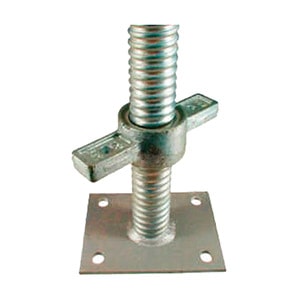
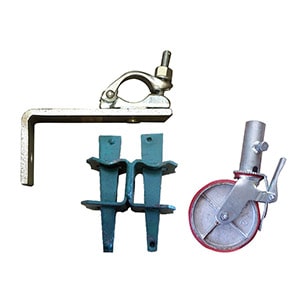
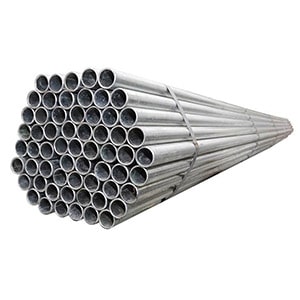
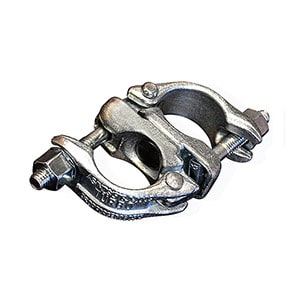
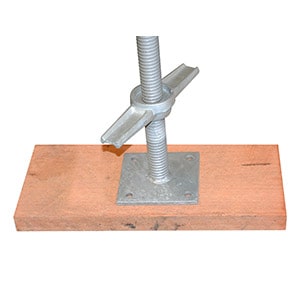
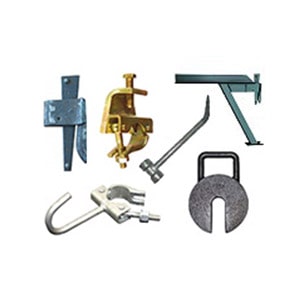
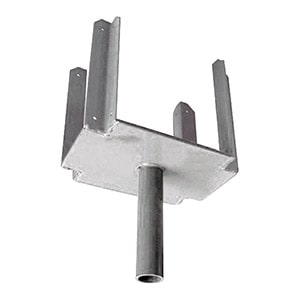
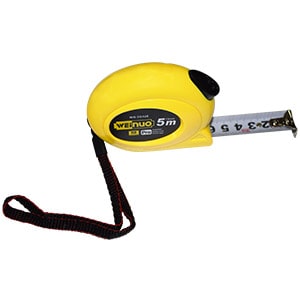
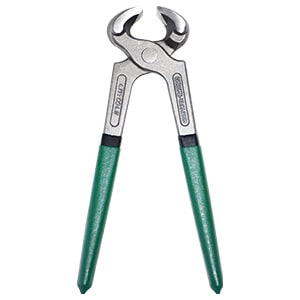
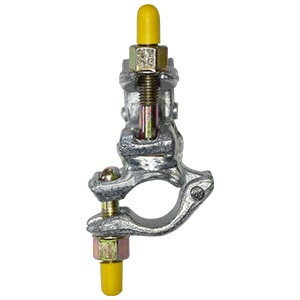
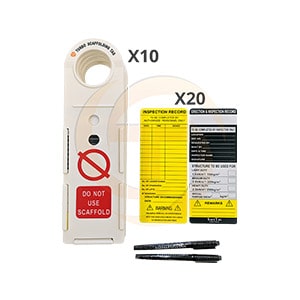
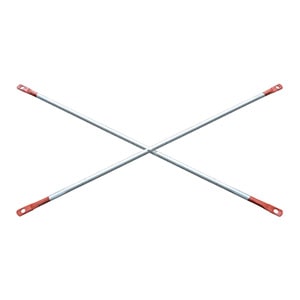
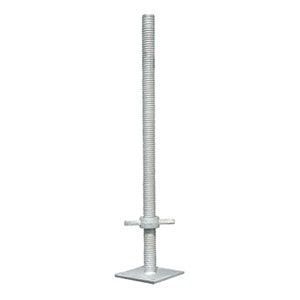
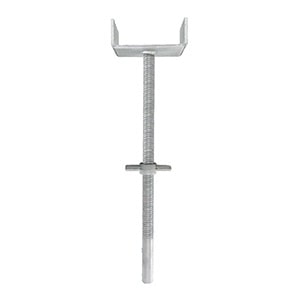
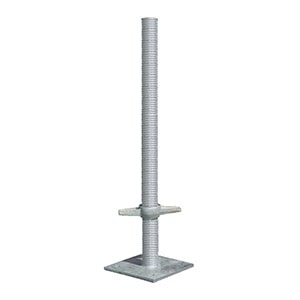
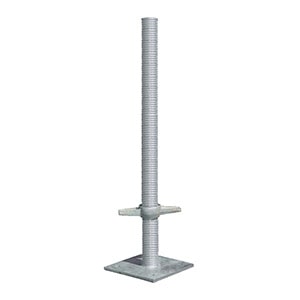
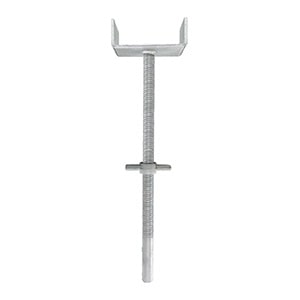
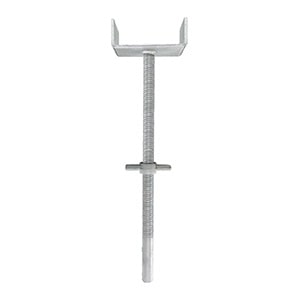
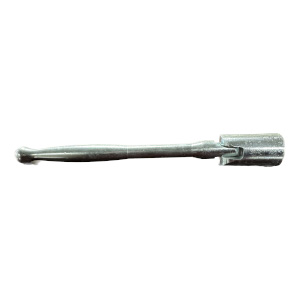
Scaffolding maintenance is often overlooked but is essential to ensuring safety and durability. Scaffold accessories for sale such as scaffold tools and scaffolding parts (e.g., base jacks and scaffold fittings) can help maintain the scaffolding system over time. Regular checks, especially for mobile scaffold towers or steel scaffolding, can prevent potential hazards due to wear and tear.
Additionally, it’s crucial to ensure that scaffolding is properly assembled, checked, and maintained by trained professionals. If you’re using second-hand scaffolding or used scaffolding for sale, it’s even more important to conduct thorough inspections to ensure everything is in working order.
Misconception 6: Scaffolding is Too Complicated to Assemble
Another common myth is that scaffolding is difficult to assemble and requires specialised knowledge. While it’s true that scaffolding should always be erected by trained professionals, many modern scaffolding systems like aluminium mobile scaffolding are designed for easy setup. Kwikstage scaffolding, for instance, uses a simple locking mechanism, making it faster and easier to set up compared to traditional systems.
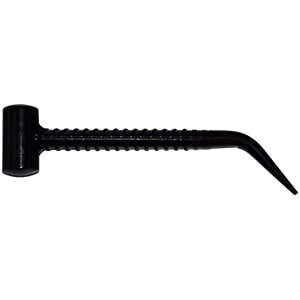
For DIY projects or smaller jobs, you can even find scaffolding tools for sale that make the assembly process more user-friendly. Plus, companies offering scaffolding hire services often provide expert guidance and support during the assembly process, ensuring the scaffolding is correctly set up and safe for use.
Misconception 7: Scaffolding is Not Environmentally Friendly
There is a growing concern about the environmental impact of construction and infrastructure projects, and scaffolding is no exception. However, modern scaffolding materials like aluminium scaffolding are both durable and recyclable, making them a more sustainable option compared to traditional materials like wood or steel. Many companies are also offering eco-friendly scaffolding solutions that prioritise sustainability without compromising on quality or safety.
Additionally, when purchasing used scaffolding or renting equipment, you’re helping to reduce the demand for new materials and minimising waste.
Misconception 8: Scaffolding is Only for Professional Contractors
While it’s true that scaffolding is commonly used by professionals, homeowners and DIY enthusiasts can benefit from it too. Aluminium mobile scaffolds for sale are an excellent option for smaller tasks like home painting, repairs, or window cleaning. These lightweight systems can be easily moved and set up without needing extensive training.
For larger-scale home improvement projects, renting scaffolding from trusted providers in Scaffold Sydney or Scaffold Melbourne can provide the right solution for getting the job done safely and efficiently.
Conclusion
As we’ve seen, many of the myths surrounding scaffolding are based on misconceptions that can lead to poor decisions when it comes to choosing the right equipment. Whether you’re looking to buy mobile scaffolds for sale or rent aluminium scaffolding for a project, it’s important to understand the reality of scaffolding systems.
When used properly, scaffolding provides a safe, efficient, and reliable solution for accessing heights in construction, maintenance, or even for DIY tasks. Be sure to choose the right type of scaffolding for your needs, and always prioritise safety with regular inspections and maintenance.
If you’re unsure about which scaffolding system is right for your project, consult with a trusted scaffolding provider to guide you toward the best solution, whether you’re based in Brisbane, Sydney, Melbourne, or Perth.
Feel free to contact Turbo Scaffolding for expert advice, scaffolding solutions, and products like used scaffolding for sale, mobile scaffold towers, and formwork scaffolding to meet your specific needs.



